


Relieve Jaw Pain and Restore Comfort: How Physiotherapy Can Help with TMD
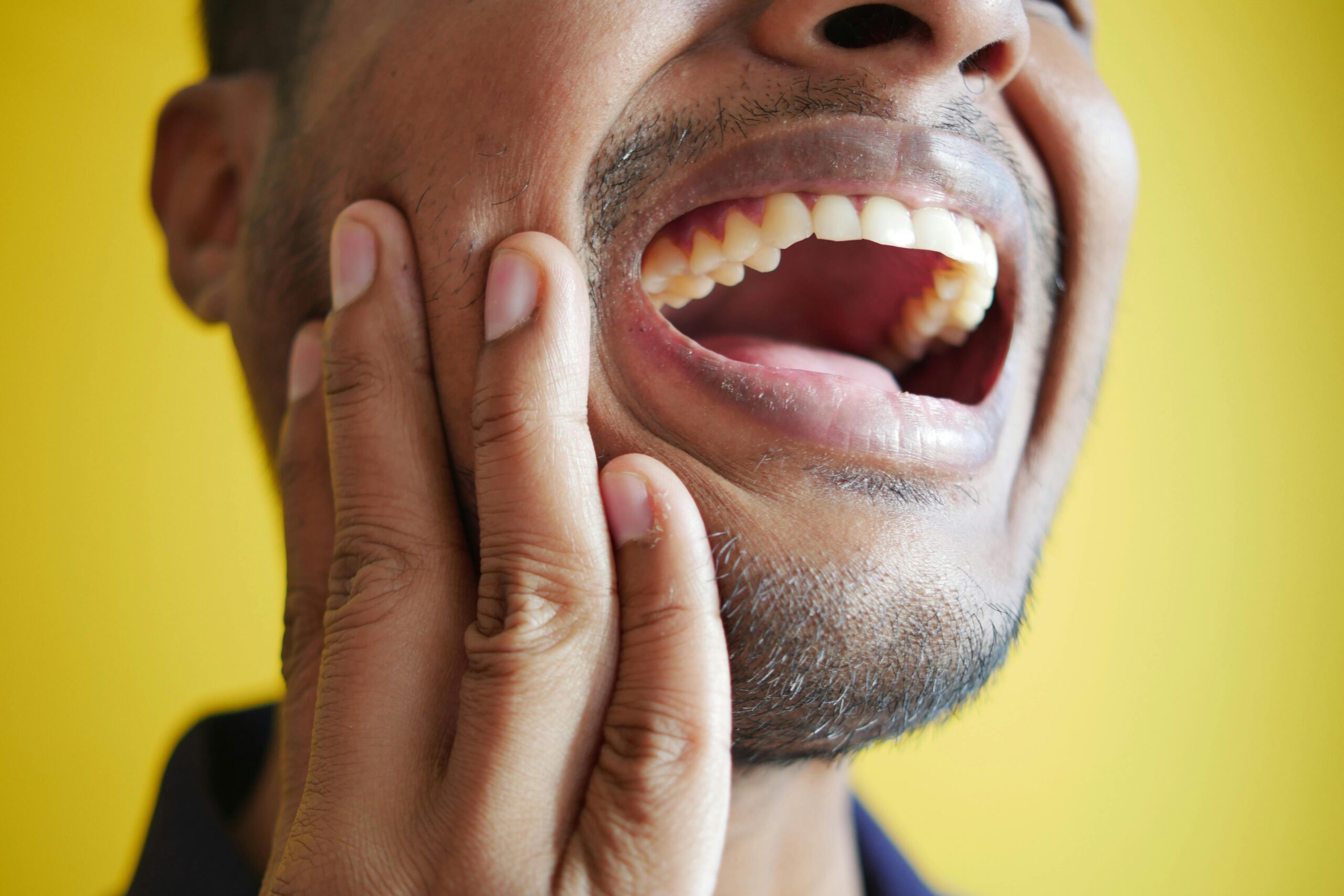
What Is TMD?
TMD refers to problems with the temporomandibular joint (TMJ) — the hinge connecting your jaw to your skull. It’s one of the most frequently used joints in the body, helping you talk, chew, and yawn. When this joint becomes irritated or misaligned, it can lead to:
- Jaw pain or stiffness
- Clicking or popping sounds
- Headaches and ear pain
- Difficulty chewing or opening your mouth
- Neck and shoulder tension
How Physiotherapy Can Help
Physiotherapy for TMD focuses on reducing pain, restoring movement, and improving jaw function. Treatment typically includes:
1. Manual Therapy
Gentle hands-on techniques help release tight jaw muscles, improve joint alignment, and relieve tension in surrounding areas like the neck and shoulders.
2. Posture and Muscle Retraining
Poor posture can contribute to jaw dysfunction. Physiotherapists teach exercises that correct alignment and strengthen supporting muscles to prevent future flare-ups.
3. Therapeutic Exercises
Targeted exercises improve jaw mobility and coordination, helping you move your jaw more comfortably and efficiently.
4. Relaxation and Habit Education
Many people clench or grind their teeth without realizing it. Physiotherapists provide strategies to reduce stress and modify habits that aggravate TMD symptoms.
Benefits of TMD Physiotherapy
Physiotherapy for TMD focuses on reducing pain, restoring movement, and improving jaw function. Treatment typically includes:
- Reduced pain and muscle tension
- Improved jaw movement and function
- Fewer headaches and neck aches
- Better posture and alignment
- Non-invasive, drug-free relief

When to See a Physiotherapist
Take the First Step Toward Relief
Don’t let jaw pain control your day. At Hands On Physio, our experienced physiotherapist, Lucie Winstanley, specialises in TMD management using evidence-based techniques tailored to your needs.
Book your assessment today and find lasting relief for your jaw pain.
